
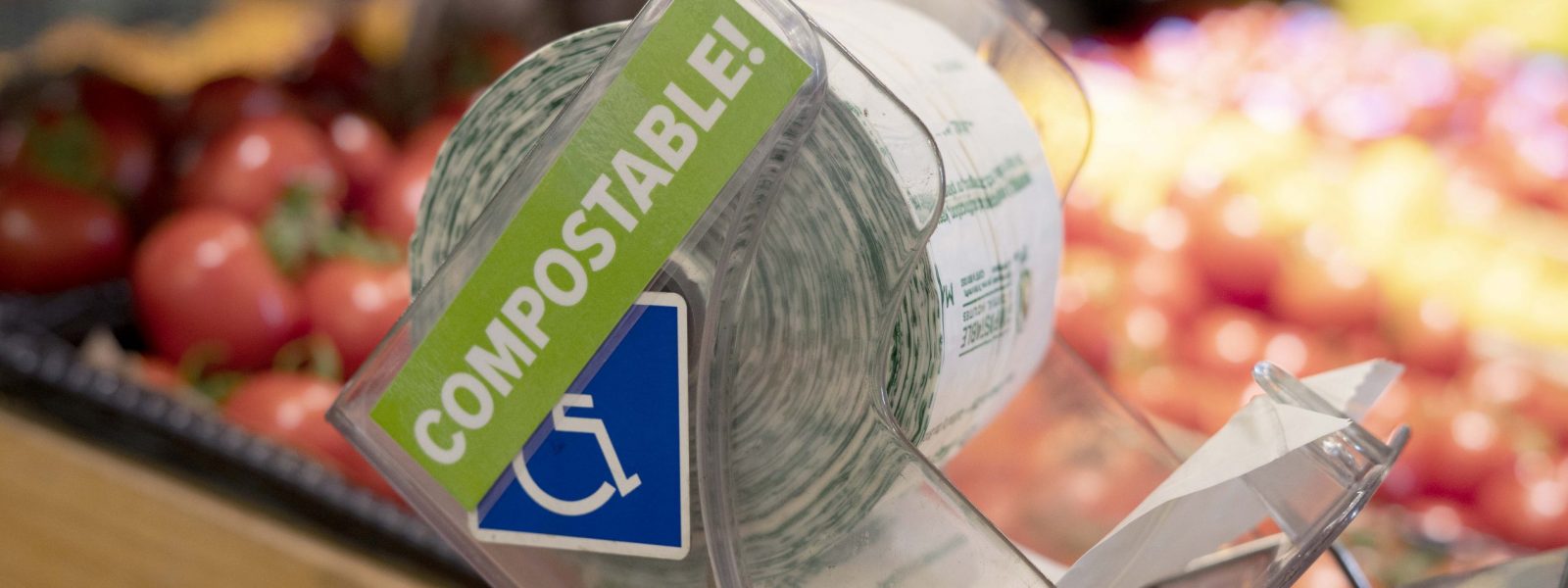
Once the first case of COVID-19 was reported in Minnesota, a lot of things changed at Seward Co-op and in our daily lives. We closed our dining areas, then our self-service hot and salad bars, and the Creamery Café. This meant we could not offer no waste options such as reusable plates and bowls at the hot and salad bars. Our stores also shifted away from reusable bags at checkout. For a time in 2020, many Bulk items were pre-packed for shoppers to minimize the spread of the virus. The excess waste generated by the shift to grab & go service put a lot of pressure on another damaged system in the United States. This societal challenge is much bigger than the Seward Co-op and transcends multiple industries across continents. The impacts are dynamic and widespread.
Refocusing on Sustainability for Earth Day
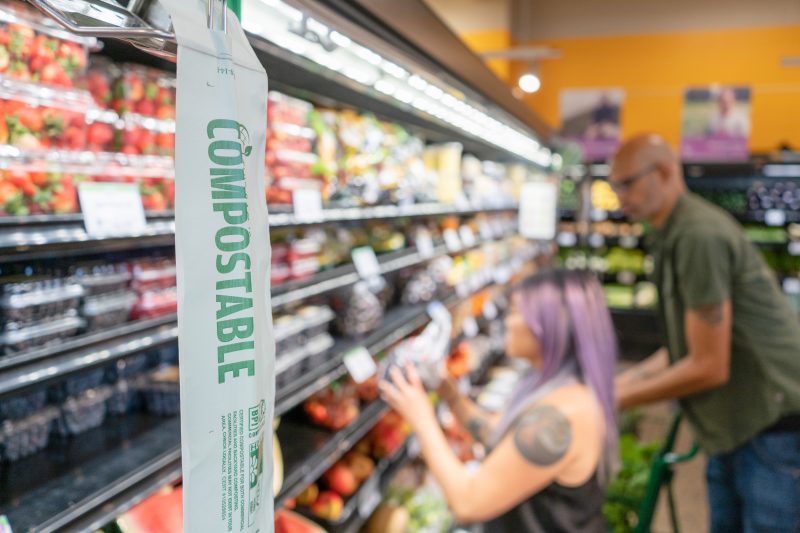
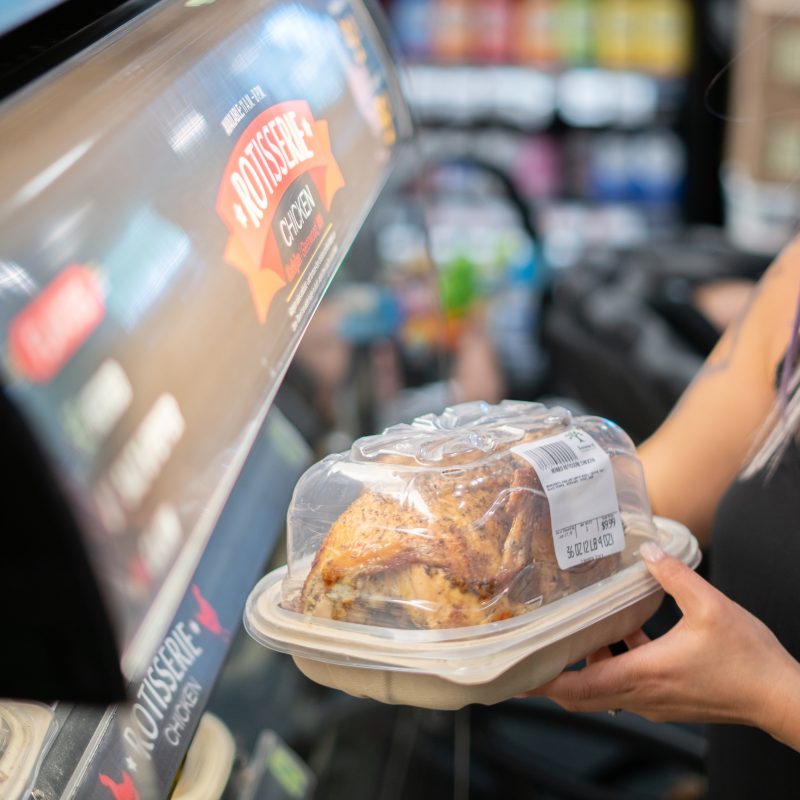 Rewind to January 2018. China implemented a policy to stop importing 24 kinds of solid waste (plastics, paper products and textiles, etc.) from foreign countries. The co-op formed a Packaging and Supplies Team, which strives to strike a balance between our need for quality packaging for items we sell and environmental impact aspirations. We also have a staff advisory committee called the Green Team, comprised of environmental stewards who work to continue education around environmental sustainability practices throughout our buildings. Together these teams rid the co-op’s waste stream of black plastic, swapped a majority of plastic deli packaging to post-consumer recycled plastic, and added compostable and paper bags to the Produce and Bulk departments. Last year, we set out to reduce our waste by 16,000 pounds – that’s 8 tons – and invited community members to join us in realizing our goal.
Since the start of the pandemic and over the last 13 months, Seward Co-op has doubled-down on our commitment to being a much-needed resource for food and community connection. This Earth Day we are widening our lens to bring positive environmental impacts into focus. Many of our daily routines continue to shift, transform and evolve as the pandemic ebbs and flows. We invite the opportunity to return to something welcome from pre-pandemic times – a focus on sustainability and more energy again toward positive environmental impacts. We want to know what topics interest you and how you plan to or practice sustainability in your daily routine. Please share your thoughts with us at sewardfoodcoop@gmail.com, and we will share what we learn this summer.