Early fall brings an abundance of produce to the co-op shelves, gardens, and CSA boxes. Although a joyous time, it can also be overwhelming when we’re not sure what to do with so much abundance. How do we keep from wasting food? Preservation! The many methods of preserving food will allow you to enjoy the freshness of summer throughout the colder months.
Preserve Summer’s Bounty
Canning and Pickling
Pros: Most shelf stable, lots of variety, great for sweet and savory applications.
Cons: Requires purchasing supplies like jars, lids/rings, and tools to remove jars from the water bath.
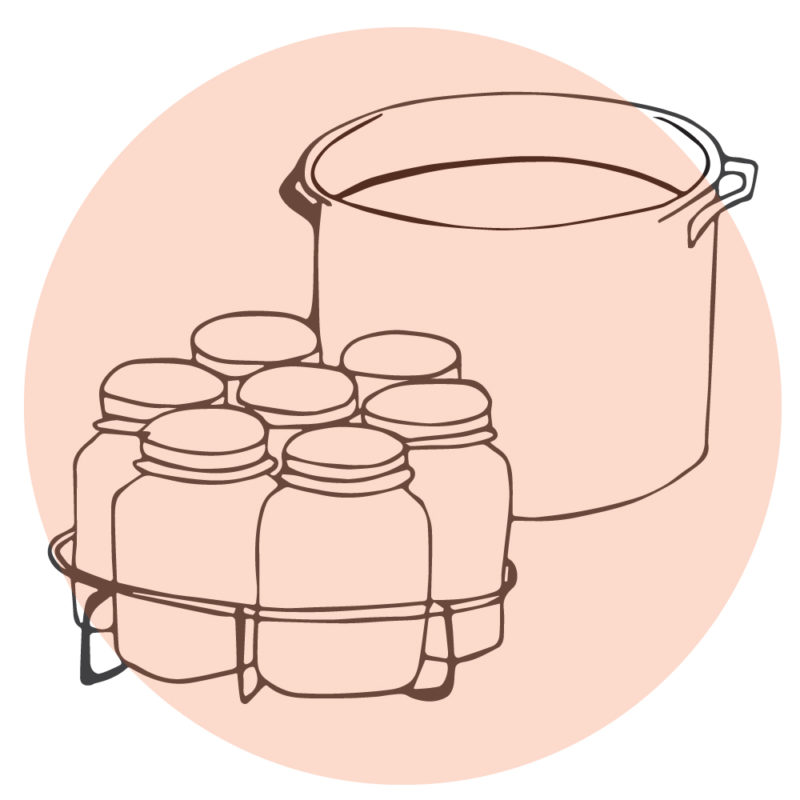 Canning is a very shelf-stable option that involves placing summer fruits and vegetables in jars and submerging the jars in a water bath to seal. Variations of canning include making jams, jellies, and pickling. Pickling uses the addition of acid (typically vinegar) and salt to combat bacteria.
Freezing
Pros: Very easy and requires little time, retains taste, nutritional value, and color.
Cons: Requires freezer space, and freezing expands the cells of produce and can negatively impact the texture of some fruits and vegetables when thawed. (Avoid freezing crisp items like cucumbers, celery, watermelon, etc.)
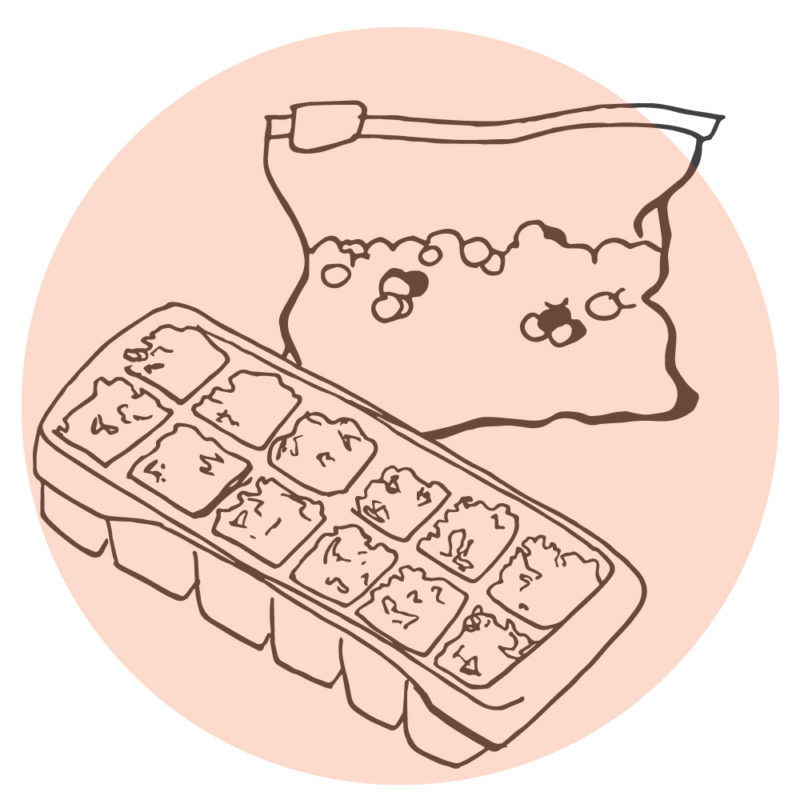
Freezing is a very easy option for beginning preservers. Freezing retains the nutritional value, color, and flavor of many foods and makes it a favorite option for many fruits, vegetables, and herbs. Produce can also be frozen in liquids such as broth or a homemade syrup. Herbs can be frozen in oil for easy cooking and sautéing.
Dehydrating
Pros: Doesn’t take up much room, very portable for outdoor adventures.
Cons: The humidity of most homes requires the purchase of a dehydrator. Although ovens are an option, they use a lot of energy, and the taste and texture of the food may change. If dehydrated food is not stored properly, it can lose its nutritional value.
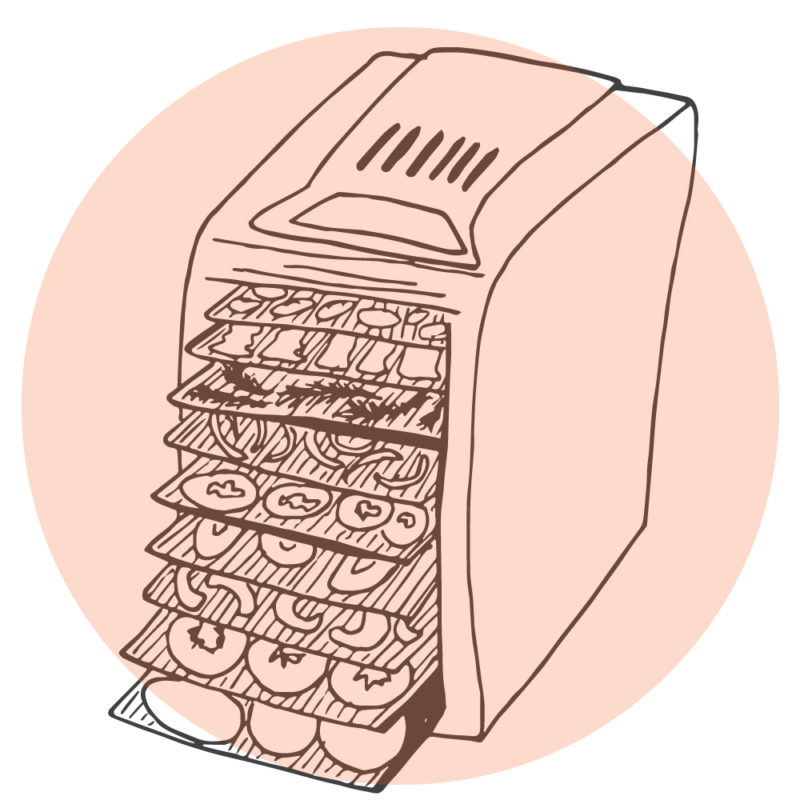
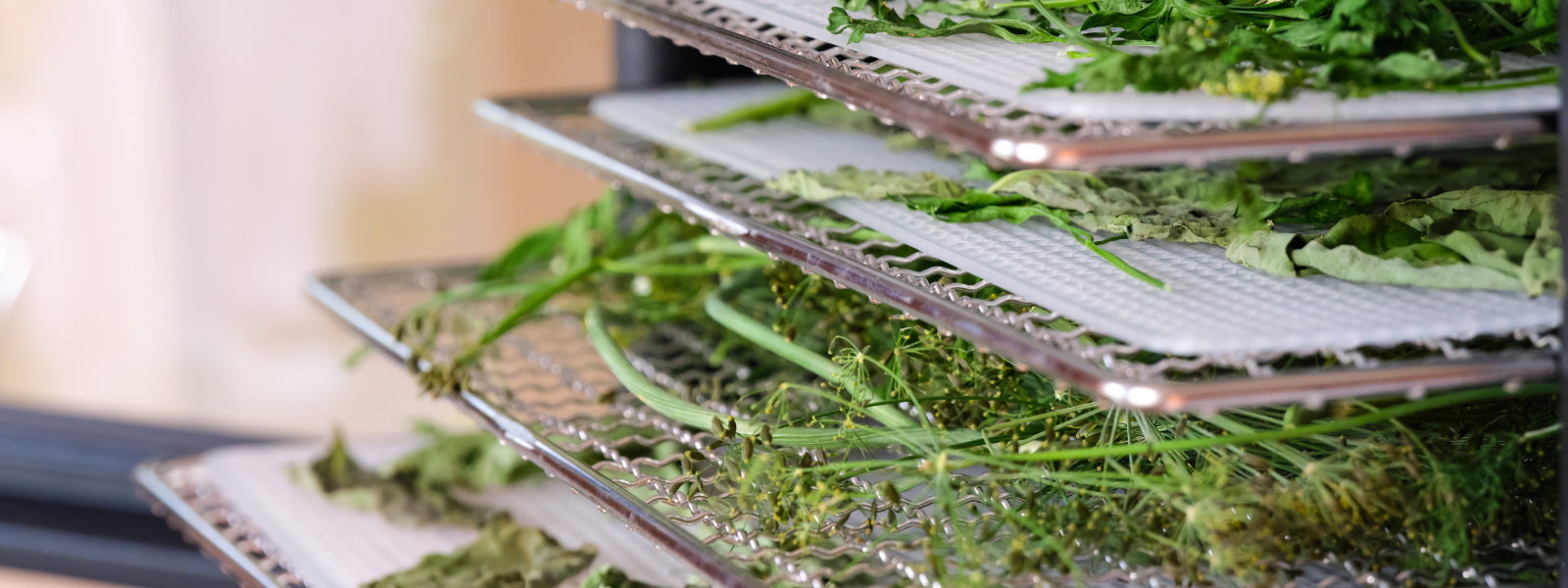
Dehydrating is an ancient preservation method that allows us to shrink the size of items through drying without losing their nutritional value. This is a favorite method for those who want emergency food packets prepared or like to bring food along on camping or hiking trips.