
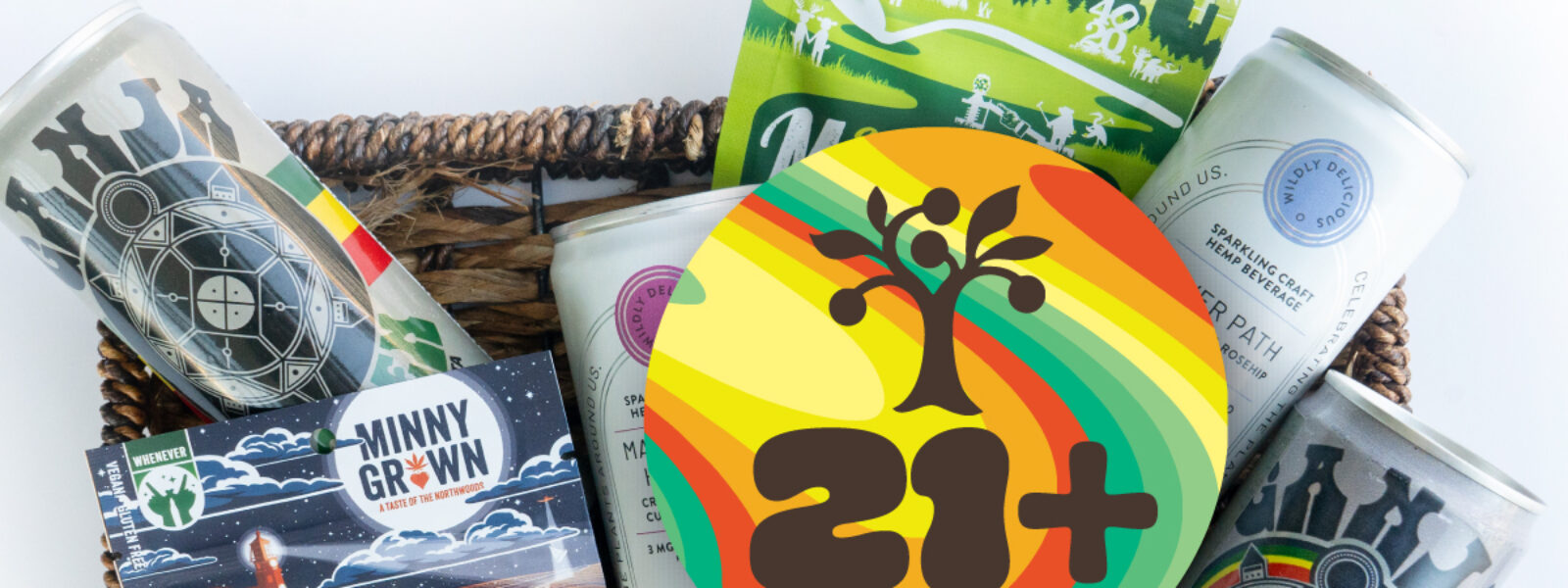
The regulations on cannabinoid products are changing. Barring additional legal changes, these products will disappear from our shelves soon. Here’s a recap of how we got to short-term legalization, and what’s coming next
In 2018, the US Congress loosened restrictions on hemp products in the Farm Bill. The resulting industry that formed around producing cannabinoids like THC and CBD from hemp, due to those federal law changes, has grown rapidly into one that generates hundreds of millions of dollars of business a year.
There has been little or no regulation of these hemp-derived cannabinoids in many states, which has allowed for unscrupulous and, at times, unsafe products to be sold in many venues.
Here in Minnesota, our state legislature created a legal framework first in 2022 and then revised it with the legalization of cannabis in 2023, to ensure safety and transparency. Under state guidance, the industry has flourished here. It has been a lifeline for many breweries that were struggling to survive after the COVID-19 pandemic. The taxes on these products have additionally generated significant revenue for the state.
Seward Co-op stores began stocking these products in 2022 with the first legalization framework.
In 2025, the US Congress reached an impasse over funding, which shut down the Federal Government for 43 days—the longest in US history. The compromise funding bill became law on Nov 12, 2025. It included a provision to effectively ban all hemp-derived cannabinoids that was scheduled to take effect one year from passage, or Nov 12, 2026. The stated intent of the ban is to protect members of the public, especially children, from consuming “dangerous products.”
This past September, Congress approved a one-month delay on most parts of the ban. However, synthetic cannabinoids, which are not legal in Minnesota anyway, will still face a national ban Nov. 12.
Barring additional legal action, like another Congressionally approved delay or a new framework that allows for a regulated marketplace, THC and CBD (except in very small, incidental quantities) will be illegal under federal law beginning on December 11, 2026.